
Orientdig Finds
Spreadsheet
OVER 5000+
WITH QC PHOTOS
📊 From Shopping Chaos to Data Structure: The Role of the Orientdig spreadsheet
Most online shopping systems today are built for browsing, not understanding. Users are exposed to endless product pages, inconsistent listings, and fragmented pricing logic. The Orientdig spreadsheet takes a completely different approach: it does not behave like a shopping catalog, but like a data architecture layer built on top of global commerce activity.
Instead of helping users “browse products,” the Orientdig spreadsheet helps users interpret product movement—how items appear, disappear, cluster, and shift across markets over time.
This transforms product discovery from a visual experience into a structured analytical process.
🧠 The Core Idea Behind the Orientdig spreadsheet
The Orientdig spreadsheet is built on a simple principle: products are not isolated items—they are signals inside a larger system.
Each entry inside the Orientdig spreadsheet is treated as part of a structured dataset that reflects:
Market demand patterns
Cross-platform product duplication
Category migration behavior
Price fluctuation clusters
Regional availability differences
Instead of focusing on “what to buy,” the Orientdig spreadsheet focuses on “what the market is doing.”
📉 Beyond Listings: The Shift from Products to Patterns
Traditional shopping platforms organize products in grids or categories. The Orientdig spreadsheet removes this assumption entirely and reorganizes data based on behavioral grouping.
For example, instead of listing sneakers as products, the system groups them by:
Launch timing clusters
Demand spike frequency
Cross-platform replication rate
Resale visibility patterns
This allows users to see structure inside markets rather than just products on shelves. The Orientdig spreadsheet essentially converts shopping data into analytical layers.
🔬 How the Orientdig spreadsheet Processes Global Product Data
The system behind the Orientdig spreadsheet operates like a structured mapping engine. It does not simply collect product listings; it processes them through multiple transformation layers:
1. Data Normalization Layer
Unifies inconsistent product titles, formats, and attributes into structured fields.
2. Market Alignment Layer
Aligns products across different platforms that may describe the same item differently.
3. Behavioral Clustering Layer
Groups products based on user interaction patterns and market activity signals.
4. Signal Weighting Layer
Assigns importance levels based on demand intensity, repetition, and cross-market visibility.
This layered structure allows the Orientdig spreadsheet to function more like a research system than a shopping tool.
🌐 Why This System Matters in Global Commerce
Global e-commerce is no longer a single-market environment. A product can exist in dozens of variations across platforms, regions, and pricing structures. Without a system like the Orientdig spreadsheet, users are forced to manually interpret fragmented data.
By introducing structured mapping, the Orientdig spreadsheet reduces three major inefficiencies:
Redundant product discovery across platforms
Misinterpretation of identical products with different naming
Lack of visibility into global distribution patterns
This makes it especially useful for users dealing with multi-platform product environments.
⚙️ Practical Use Cases of the Orientdig spreadsheet
Unlike traditional shopping tools, the Orientdig spreadsheet is designed for analytical workflows.
It can be used for:
Identifying product duplication across platforms
Tracking category saturation levels
Observing demand concentration zones
Comparing market presence of similar items
Studying product lifecycle behavior
In this sense, the Orientdig spreadsheet is closer to a market analysis framework than a shopping list.
🧩 Structural Advantage Over Traditional Systems
Most e-commerce systems are optimized for conversion. The Orientdig spreadsheet is optimized for understanding structure.
This creates several fundamental differences:
From visual browsing → to structured interpretation
From product focus → to system-level analysis
From static lists → to dynamic data relationships
From isolated items → to clustered behavior models
The Orientdig spreadsheet redefines what “product discovery” means in a data-heavy environment.
🚀 Long-Term Evolution of the System
As global commerce becomes more interconnected, the Orientdig spreadsheet is designed to expand into a deeper analytical infrastructure.
Future development direction includes:
Higher-resolution market clustering models
More precise cross-platform mapping
Expanded behavioral dataset coverage
Improved temporal tracking of product movement
Enhanced structural prediction layers
The goal is not to show more products, but to reveal more structure.
🎯 Final Perspective
The Orientdig spreadsheet is not a shopping interface. It is a structured interpretation system for global product data. By shifting focus from listings to patterns, it enables users to understand how markets behave rather than simply what they contain.
This structural approach creates a completely different way of interacting with global e-commerce—one built on clarity, systems, and data logic rather than surface-level browsing.
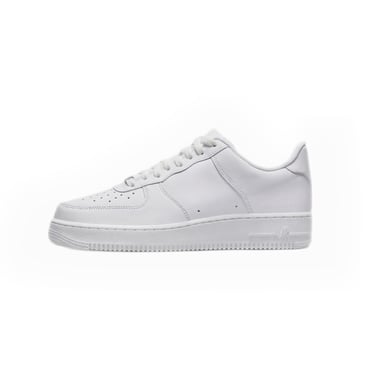
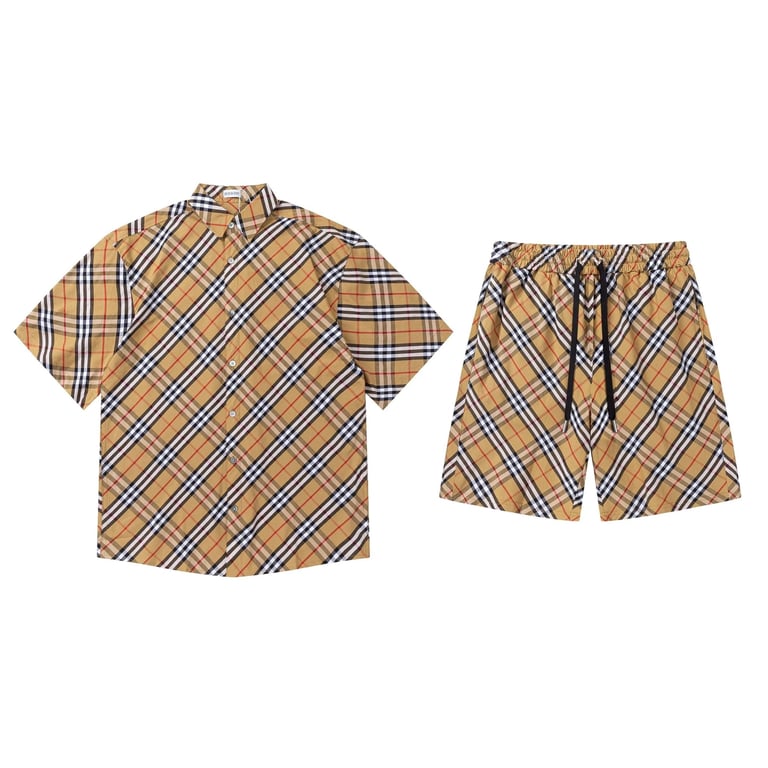
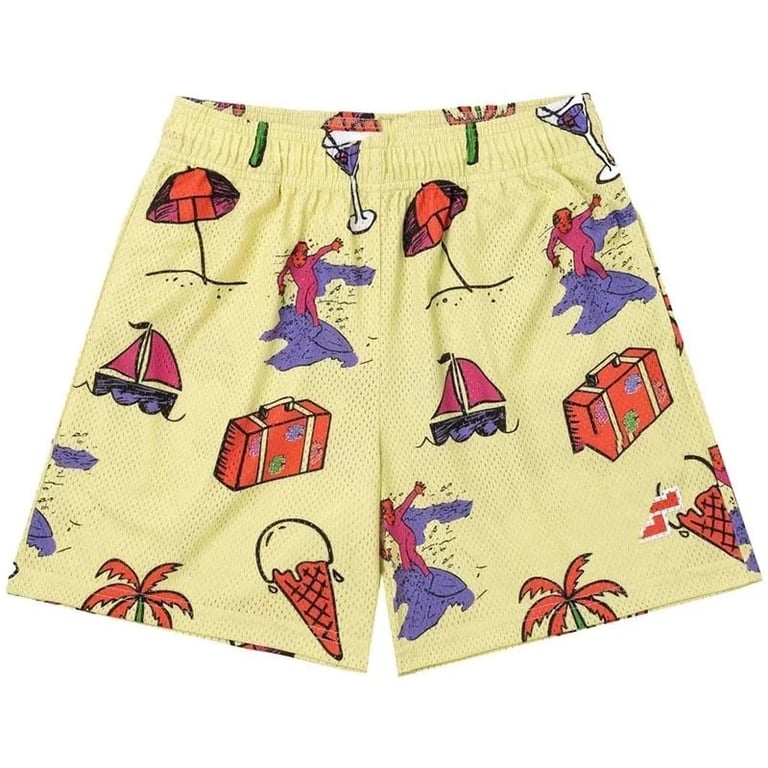
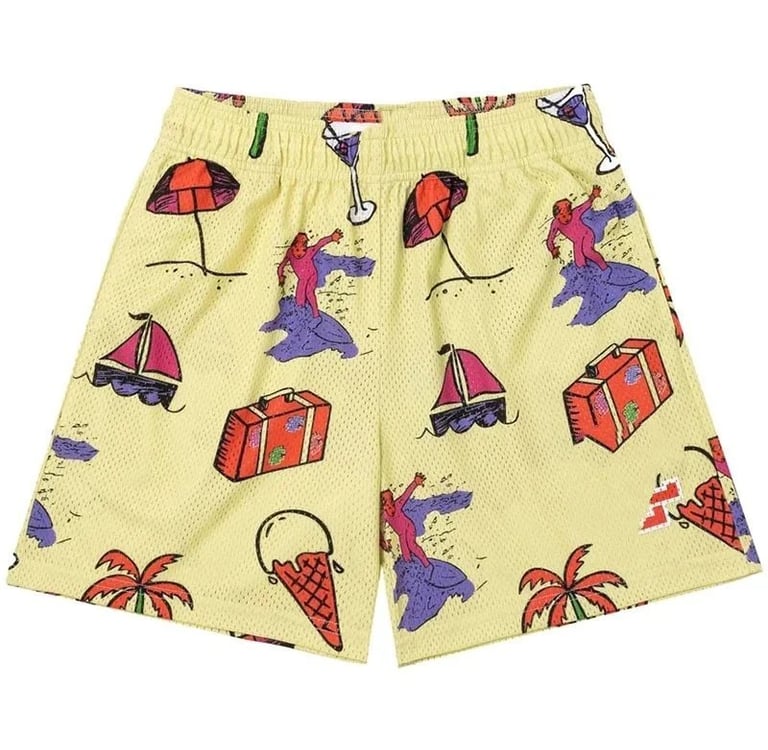
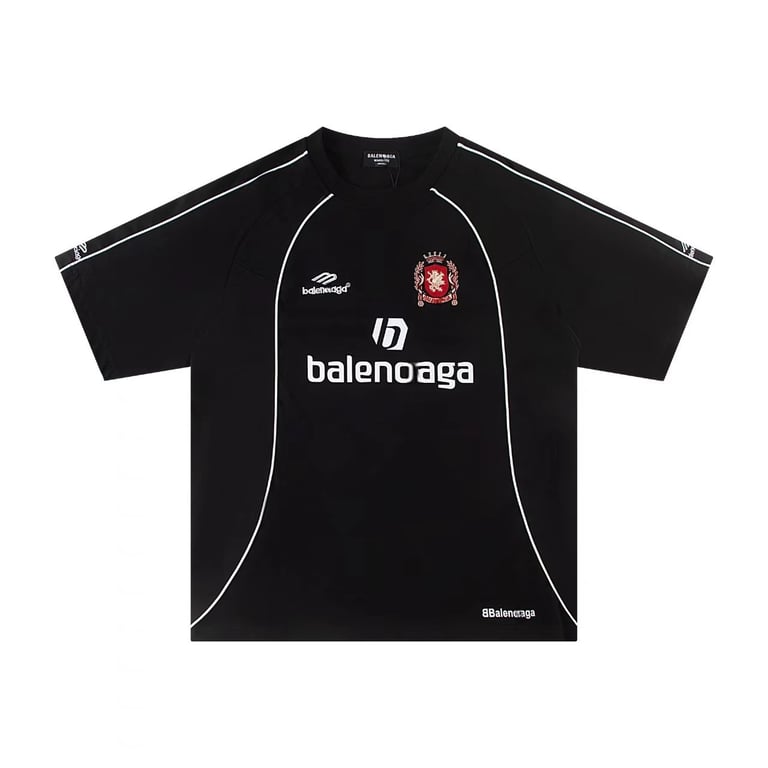
Click the images below to browse!













Frequently Asked Questions (FAQ)
Q1: What is the Orientdig spreadsheet?
The Orientdig spreadsheet is a structured data system that organizes global product information into interpretable formats. Instead of showing random listings, it groups product data into structured layers that help users understand patterns, relationships, and market behavior.
Q2: How is the Orientdig spreadsheet different from normal shopping platforms?
Most shopping platforms focus on displaying products visually. The Orientdig spreadsheet focuses on structuring product data. It removes the idea of simple browsing and instead presents products as part of a larger system of market relationships and trends.
Q3: What kind of information can be found in the Orientdig spreadsheet?
The Orientdig spreadsheet includes structured product signals such as category relationships, market clustering patterns, cross-platform similarities, and trend movement indicators rather than just product listings.
Q4: Is the Orientdig spreadsheet updated regularly?
Yes. The Orientdig spreadsheet is continuously structured and refreshed to reflect changes in global product environments, including new market entries, shifting demand clusters, and evolving category patterns.
Q5: Who typically uses the Orientdig spreadsheet?
The Orientdig spreadsheet is used by users who need structured understanding of product ecosystems, including researchers, analysts, and advanced shoppers who prefer data-driven interpretation over simple browsing.
Q6: Does the Orientdig spreadsheet focus on specific product categories?
No. The Orientdig spreadsheet is category-agnostic. It organizes data across multiple verticals, including fashion, electronics, lifestyle goods, and emerging product clusters, based on structural relationships rather than category labels.
Q7: Can the Orientdig spreadsheet help with product comparison?
Yes. Instead of traditional side-by-side comparisons, the Orientdig spreadsheet enables structural comparison by grouping products based on shared patterns, demand behavior, and market positioning.
Q8: Why is structure important in the Orientdig spreadsheet?
Structure allows users to understand how products relate to each other within global markets. The Orientdig spreadsheet replaces fragmented listings with organized relationships, making complex data easier to interpret.
Q9: Is the Orientdig spreadsheet a shopping platform?
No. The Orientdig spreadsheet is not a traditional shopping platform. It is a structured interpretation system designed to analyze and organize product data rather than directly facilitate purchases.
Q10: What is the main purpose of the Orientdig spreadsheet?
The main purpose of the Orientdig spreadsheet is to transform fragmented global product information into structured, meaningful data that helps users understand market behavior and product relationships more clearly.